Scuba Wetsuits for Outstanding Coziness and Performance in Water Sports
Diving wetsuits play a crucial role in enhancing the enjoyment of water sports enthusiasts. They offer thermal insulation, safeguard the skin, and improve buoyancy. A well-fitted wetsuit reduces water entry, guaranteeing comfort and agility. However, selecting the right wetsuit requires comprehending various features and materials. As temperatures and conditions change, understanding proper selection methods becomes vital. The next steps in finding the ideal wetsuit might change how one approaches aquatic adventures.
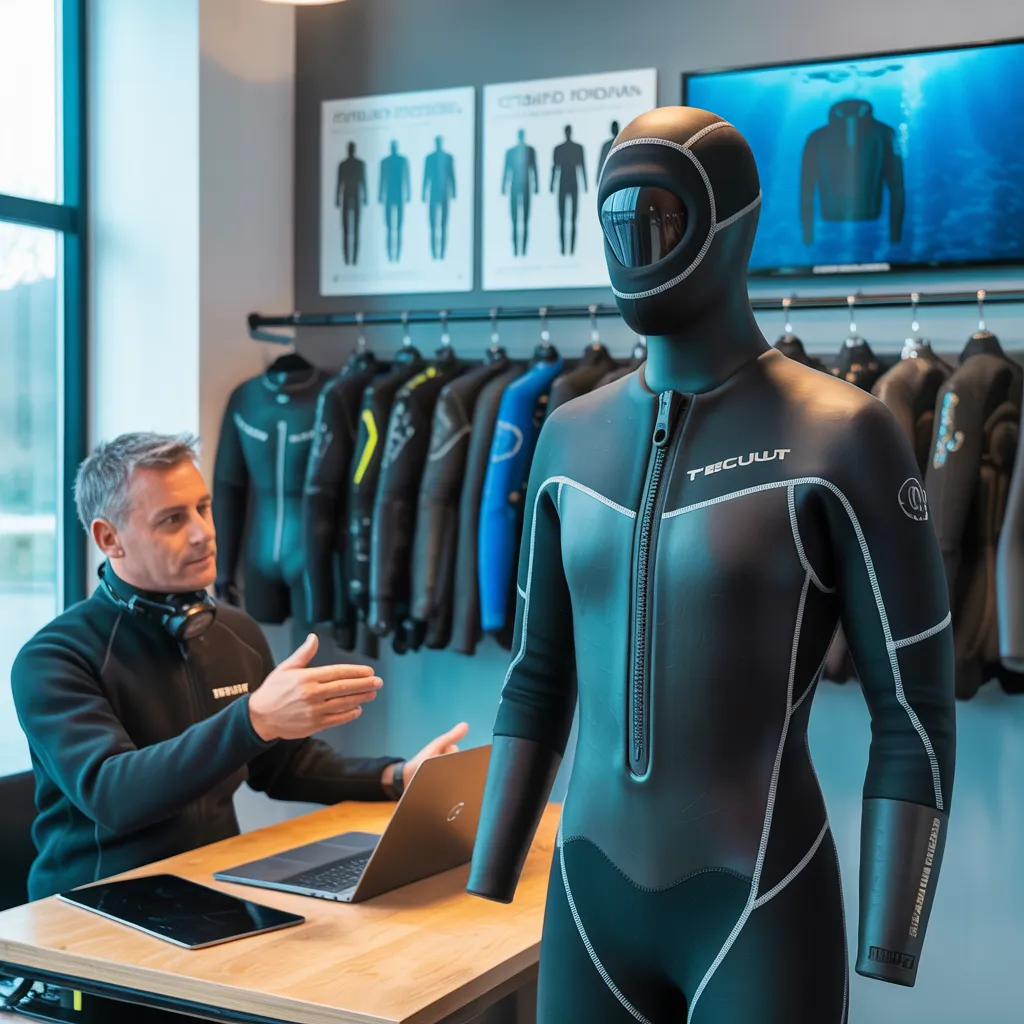
Why Neoprene suits Matter for Water Sports Enthusiasts
Wetsuits function as vital equipment for water-based sports fans, delivering security and ease in multiple aquatic conditions. These outfits offer thermal insulation, keeping the body warm in cold waters, which is vital for upholding stamina and performance. Additionally, wetsuits protect the skin from abrasions, stings, and damaging UV rays, allowing individuals to partake in activities such as surfing, diving, and snorkeling with decreased risk of injury.
The buoyancy offered by wetsuits enhances overall performance, enabling easier movement and better handling in the water. This flotation assists divers in regulating their buoyancy while investigating underwater settings. Additionally, the tight fit of a wetsuit reduces water infiltration, guaranteeing that individuals remain nimble and focused on their sport. For water sports fans, the right wetsuit becomes an essential tool, contributing greatly to both protection and pleasure during their aquatic adventures.
Key Qualities Required in Your Wetsuit
When selecting a wetsuit, knowing the essential features is crucial for maximizing performance and comfort in the water. A properly fitting wetsuit ensures minimal water entry, enhancing thermal insulation and buoyancy. The thickness of the neoprene material is critically important; typically, a 3mm to 5mm thickness is suggested depending on water temperature.
Sealed seams are another important aspect, as they prevent water from seeping in, maintaining warmth during longer sessions. Flexibility is key for unrestricted movement, making features like ergonomic panels and strategic cutouts important. Additionally, a reliable zipper system, whether back or front, should allow easy entry and exit while remaining watertight.
Finally, evaluate extra features like strengthened knee sections for strength and wrist or ankle seals for a secure fit. These features work together to an superior diving journey, ensuring both comfort and efficiency in various water sports activities.
Material Picks and Their Influence on Relaxation and Flexibility
The fabrics chosen for wetsuits greatly influence both ease and flexibility. Fluctuations in neoprene gauge can affect heat retention and mobility, while the elasticity of the material plays an important role in total performance. Grasping these considerations is essential for choosing the right suit for water sports pursuits.
Neoprene Thickness Variability
The fluctuation in neoprene thickness represents an essential factor that significantly influences both comfort and flexibility in diving wetsuits. Thicker neoprene provides increased insulation, making it perfect for colder waters, while thinner options boost breathability and minimize bulk. The choice of thickness impacts how well the wetsuit adapts to the body, affecting overall fit and freedom of movement. A well-designed wetsuit employs varying thicknesses strategically, allowing for better thermal protection in vital areas while maintaining flexibility in joints and limbs. This balance ensures that divers can enjoy extended periods in the water without feeling restricted. Ultimately, understanding neoprene thickness variability is necessary for selecting the appropriate wetsuit tailored to specific diving conditions and personal comfort preferences.
Elasticity and Mobility Factors
Selecting the best wetsuit means more than simply focusing on neoprene thickness; flexibility and mobility are vital for comfort and performance. Materials selection largely determines how well a wetsuit moves with a diver's motions. Super-stretch technology embedded in high-stretch neoprene blends raises flexibility, allowing for greater motion range. Additionally, features like articulated seams and strategic panel designs further improve mobility, minimizing resistance while swimming or diving. A wetsuit that fits well and prioritizes stretchability does not only improves performance but also lowers fatigue in extended water use. Therefore, selecting a wetsuit that balances insulation with flexibility is vital for maximizing comfort and ensuring an enjoyable experience in various water sports.
How to Find Your Perfect Match
Selecting the suitable fit for a wetsuit begins with correctly determining body proportions. Understanding the various weight options available can also determine coziness and thermal protection during water endeavors. This blend provides superior performance and enjoyment in aquatic spaces.
Taking Your Body Dimensions
Securing the ideal sizing for a diving wetsuit depends on exact body measurements. To proceed, one must gather a flexible measuring tape and take several critical measurements: chest, waist, hips, inseam, and height. The chest measurement is vital for making sure that the suit fits comfortably around the torso, while the waist and hip measurements help customize the fit around the midsection and lower body. The inseam measurement assists with determining the length of the legs, guaranteeing proper coverage. Finally, height provides an overall scale for the suit's dimensions. It is suggested to wear minimal clothing while measuring for the most exact results. Precise measurements will greatly boost ease and performance in water sports, making sure a superior diving experience.
Comprehending Wetsuit Thickness Options
When selecting a wetsuit, knowing the various thickness choices is crucial for ideal comfort and performance in different water conditions. Wetsuits typically span 2mm to 7mm in thickness, affecting flexibility and insulation. A 2mm suit is suitable for warm water, providing minimal thermal protection while allowing freedom of movement. In contrast, a 5mm wetsuit offers a balance for cooler waters, ensuring adequate warmth without compromising flexibility. For frigid conditions, a 7mm suit is recommended, delivering maximum insulation but potentially restricting mobility. It's important to weigh personal tolerance to cold, the duration of water exposure, and activity type when choosing a thickness. Ultimately, the right fit enhances both comfort and performance during aquatic adventures.
Heat Management: Maintaining Heat in Chilly Waters
In icy aquatic environments, effective thermal regulation is vital for upholding comfort and safety during aquatic pursuits. Heat-retaining suits are designed to secure a thin layer of water against the skin, which grows warm from body heat, creating an heat-trapping layer. The thickness and material of a wetsuit greatly influence its thermal performance; neoprene is the standard choice due to its remarkable insulation properties.
Additionally, wetsuits frequently include elements such as sealed seams and insulated layers to improve warmth preservation. The fit of the wetsuit is also crucial; a tight fit reduces water circulation, preventing the loss of heat.
In colder environments, divers and surfers may select extra gear including hoods, hand protection, and booties to boost thermal protection. By recognizing these factors of temperature control, water sports enthusiasts can choose suitable gear to assure a comfortable experience in cold water.
How to Choose the Best Wetsuit Type for Your Requirements
Deciding on the right wetsuit type can substantially shape comfort and performance during water sports. Different factors determine this discover the information decision, including water temperature, activity type, and personal fit preference.
Full wetsuits, covering the whole body, are ideal for colder waters, delivering maximum insulation. Meanwhile, shorty wetsuits, which have abbreviated sleeves and legs, offer more range of motion and are better suited for warmer conditions. For those engaged in high-intensity activities like surfing, a thinner wetsuit may improve flexibility without sacrificing too much heat retention.
Moreover, it is necessary to evaluate the composition. Neoprene thickness fluctuates, with thicker options delivering more warmth but less mobility. Conversely, thinner materials enable for greater mobility but may require additional thermal layers in colder environments. Ultimately, individuals should evaluate their specific requirements and preferences to select the wetsuit type that will improve their experience in the water.
Tips for Maintaining Your Diving Suit
Proper attention for a diving suit can greatly extend its lifespan and maintain its performance. After each use, it is crucial to flush the wetsuit thoroughly with fresh water to remove salt, sand, and chlorine that can deteriorate the textile. Avoid using aggressive soaps; instead, opt for wetsuit-specific cleaners.
When drying, the wetsuit should be hung inverted in a shadowy spot, distant from direct sunlight, which can lead to color fading and neoprene to degrade. Keeping the wetsuit level or on a wide hanger prevents creases and maintains its shape.
Regularly check for signs of wear, such as tears or leaks, and fix them immediately to prevent additional harm. Finally, refrain from treading on the wetsuit when donning or removing it, as this can result in unnecessary stretching or tearing. Careful maintenance guarantees peak performance and enjoyment in water sports.
Frequently Requested Inquiries
Is it feasible to don a Wetsuit for Activities Beyond Diving?
Yes, protective suits can be applied for different aquatic sports, like surfing, paddleboarding, and snorkeling. They present thermal insulation, floating ability, and defense against scrapes, making them versatile for varied water environments and conditions.
How Do I Correctly Keep My Wetsuit?
To properly store a wetsuit, rinse it in fresh water, dry it away from direct sunlight, and hang it on a wide hanger. Avoid folding to prevent creases and preserve the suit's condition.
What Are the Signs of a Damaged Wetsuit?
A worn wetsuit may show visible tears, thinning material, peeling neoprene, and compromised seams as warning signs. Additionally, leaking water during use or an peculiar odor might indicate degradation, necessitating mending or replacement for top performance.
Do Wetsuits Trigger Skin Irritation?
Yes, wetsuits can cause dermal discomfort due to reasons like poor fitting, fabric allergies, or long-term use. Manifestations may include skin rashes, rubbing soreness, or allergic responses, encouraging users to explore alternative materials or more appropriate choices.
When Should I Substitute My Wetsuit Most Often?
Wetsuits should generally be changed out every three to five years, based on usage frequency and care. Damage signs, such as pallor or separation at seams, indicate that getting a new suit is required to copyright performance.